Health
Why I Swapped My Morning Coffee for Matcha
Coffee vs matcha
Why I Swapped My Morning Coffee for Matcha
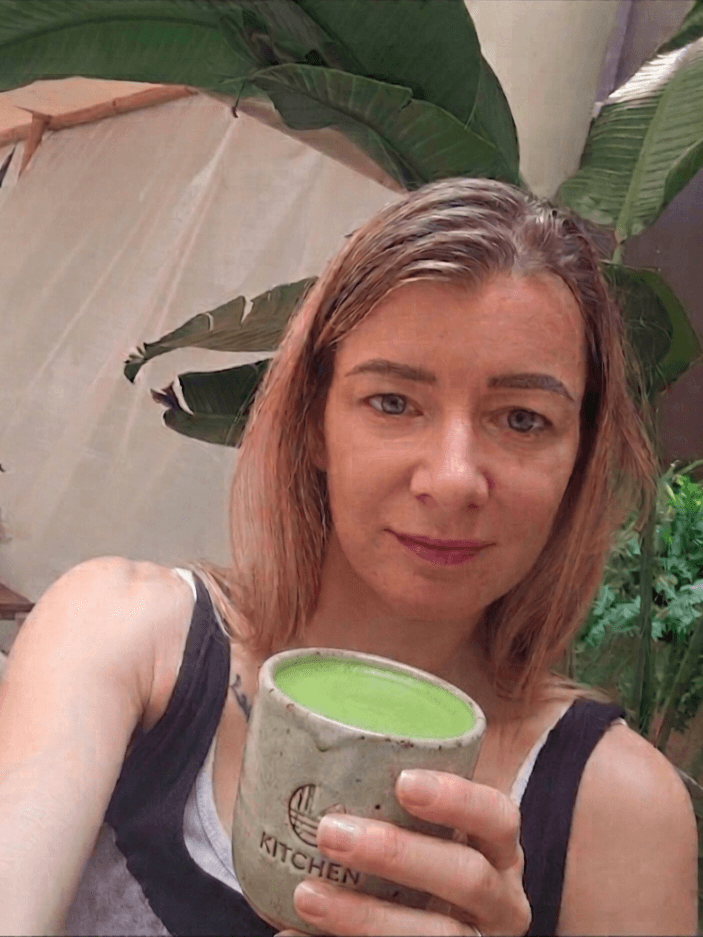
Switching from coffee to matcha in the morning was one of the best small changes I've made for my routine. It wasn't an overnight decision — it came down to how I actually felt during the day, and once I noticed the difference, I never really looked back.
Why Matcha Over Coffee
Honestly, it came down to three things.
Steadier energy. Coffee gives me a sharp lift and then drops me an hour or two later. Matcha is different — it contains L-theanine, an amino acid that slows down how quickly the caffeine hits my system. Instead of a spike and crash, I get a smooth, level energy that carries me through most of the morning.
No jitters. That same L-theanine promotes a calm, focused state in the brain. So even though matcha has caffeine, it doesn't leave me feeling wired or anxious the way a strong cup of coffee can. I feel alert without feeling buzzed.
The health benefits of green tea. With matcha, I'm actually drinking the whole leaf — finely ground into powder and whisked into water — which means I take in a much higher dose of antioxidants (especially EGCG) than a regular brewed cup of tea. It's essentially green tea, concentrated.
That combination — clean focus, calm energy, and something genuinely good for my body — is what made matcha stick as my morning ritual.
How I Choose My Matcha
I don't go for the fanciest or most expensive option. I buy the Vahdam brand off Amazon — about 20 AED for 50 grams, which is honestly very reasonable. What sold me on it isn't the price, though; it's that they lab-test their matcha for purity. That matters more than people realize, because tea plants absorb whatever is in the soil they're grown in, including heavy metals. Knowing the brand is verified clean gives me peace of mind every morning.
You don't always need to spend a fortune to get a good cup — you just need to be sure of what's actually in the tin.
Why Culinary Grade Works for Me
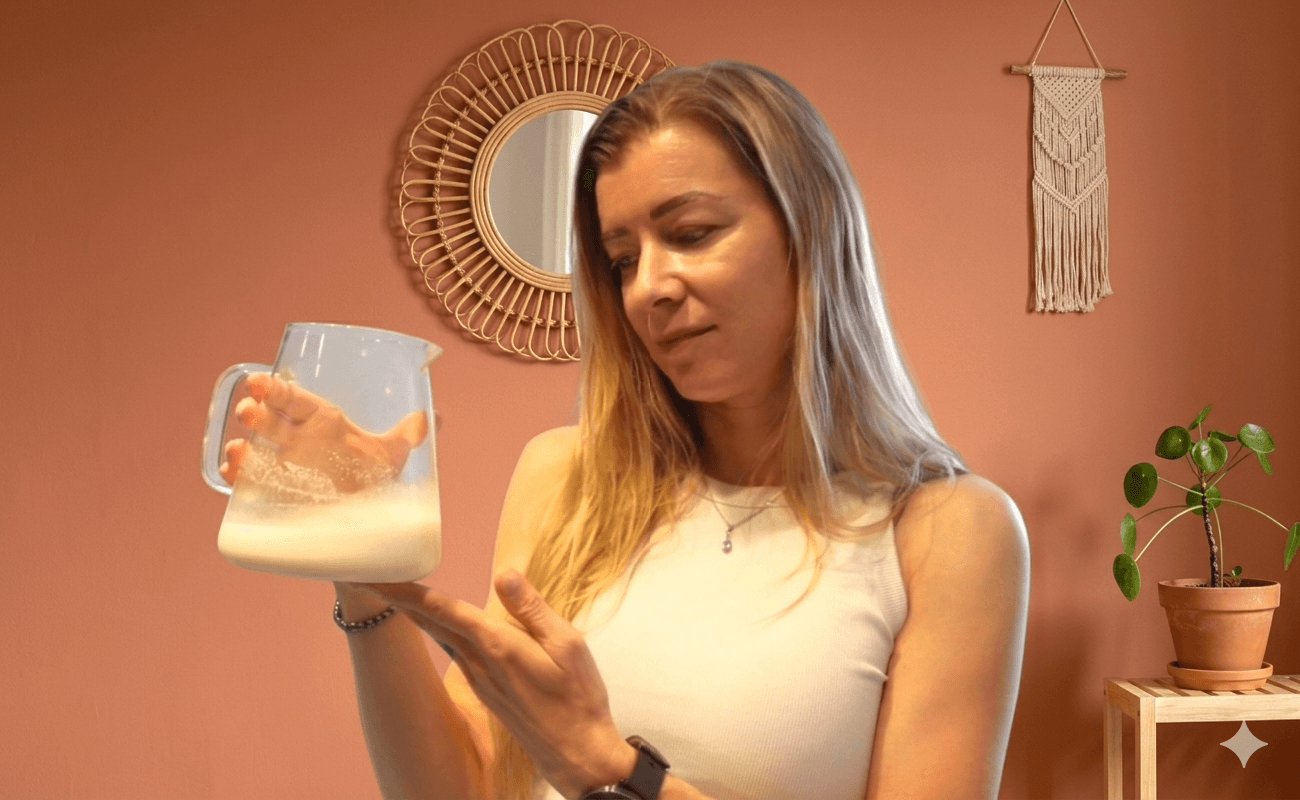
Since I always drink my matcha as a latte — usually with almond or cashew milk — culinary grade is honestly the smarter choice for me. Ceremonial grade is made for drinking matcha plain, where its smoother, sweeter flavor really shines. But the moment you add milk, that delicate flavor gets covered up anyway, so paying extra for it doesn't make much sense.
Culinary grade is slightly more robust and a touch more bitter on its own, but the creaminess of almond or cashew milk balances it out perfectly. The result is a smooth, lightly sweet morning drink without spending three or four times as much.
So for the way I actually drink it, culinary grade hits the right spot: good quality, great taste with milk, and a price I can keep buying every month.
Final Thoughts
That's my matcha morning in a nutshell — calmer energy, no crash, and a daily drink I genuinely enjoy. If you've been thinking about cutting back on coffee, give matcha a real try for a couple of weeks. You might be surprised how much smoother your mornings feel.