Health
10 Things That Genuinely Affect Libido — Especially After 40
Libido after 40 is not a fixed thing. It responds to what you eat, how you sleep, how you move and what you take. Here's everything that actually makes a difference

10 Things That Affect Libido - Especially after 40
Nobody talks about this enough. Libido after 40 is not a fixed thing — it fluctuates, it responds, and it is far more connected to your daily habits than most people realise. I'm not going to pretend it's as simple as taking one supplement or going to bed earlier. But I will tell you what I've noticed personally and what the research backs up.
1. Sleep — The Foundation of Everything
If I don't sleep well, I have no libido. Full stop. This isn't just my experience — it's biology. Poor sleep lowers testosterone levels in women, raises cortisol, and drains the energy and emotional availability that desire requires. You simply cannot feel good in your body when you're exhausted.
My sleep ritual is something I protect fiercely — complete darkness, silicone earplugs, cedarwood oil on my feet, lavender in the diffuser and no phone after 8pm. When I sleep well, everything else follows. When I don't, nothing does.
Click here to get the products I use for sleep
2. Gut Health and Bloating
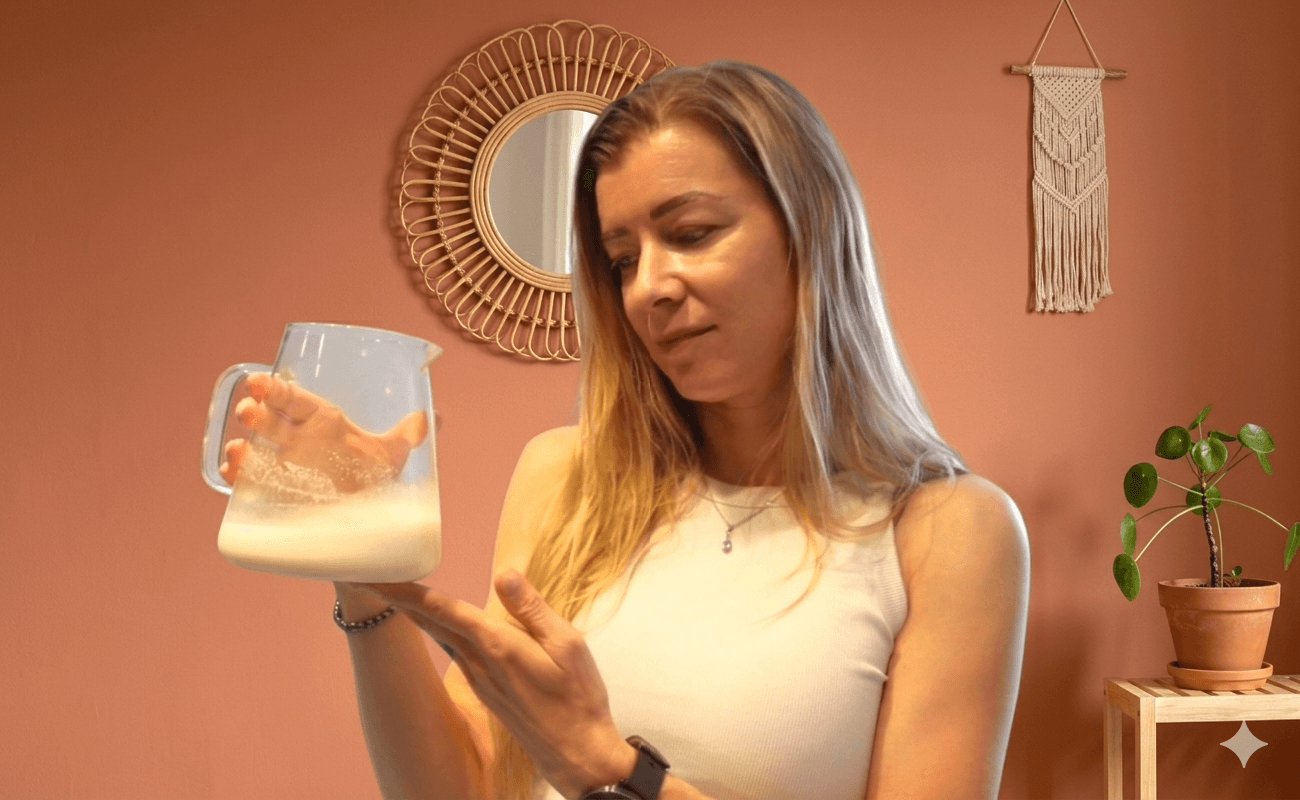
This one is personal and I suspect many women relate to it. When I'm bloated, I don't feel like having sex. It's not complicated — physical discomfort directly disconnects you from your body. I avoid certain vegetables that consistently bloat me and I avoid dairy entirely. Knowing your own triggers and eliminating them is one of the most underrated things you can do for how you feel in your body day to day.
A healthy gut also produces a significant portion of your serotonin — which directly affects mood, desire and emotional availability.
Click here to see which essential oil helped me get rid of regular bloating.
3. Exercise — Specifically the Right Kind
Regular movement increases blood flow, supports hormone production, improves body confidence and reduces cortisol — all of which contribute to healthy libido. But the type of exercise matters. Excessive high-intensity training raises cortisol significantly, which suppresses sex hormones. Yoga, strength training, walking and moderate cardio hit the sweet spot — they build the body up rather than wearing it down.
4. Maintaining a Healthy BMI and Blood Pressure
Excess body fat — particularly around the abdomen — increases the conversion of testosterone to estrogen, which disrupts the hormonal balance that supports desire. High blood pressure impairs blood flow to all tissues including those involved in arousal. Neither needs to be dramatic to have an effect. Small improvements in both make a real difference.
5. Managing Stress
Cortisol and sex drive have an inverse relationship. When your body is in stress mode it prioritises survival, not reproduction. Chronic stress — even low-grade background stress — keeps cortisol elevated and suppresses the hormonal environment that supports libido. This is why stress management isn't optional wellness advice. It's physiology.
Vipassana meditation has been the single most powerful tool in my own stress management. Thirty minutes every morning changes how my entire nervous system responds to the day.
Click here to find a Vipassana Center close to you
6. Food — Anti-Inflammatory, Nutrient-Dense, Real
Highly processed food, refined sugar and inflammatory oils suppress hormone production and increase systemic inflammation — which affects everything including desire. Foods that support libido are the same foods that support overall hormonal health: healthy fats (olive oil, avocado, eggs), zinc-rich foods (pumpkin seeds, meat, shellfish), antioxidant-rich vegetables and adequate protein.
Click here to find out what I eat in a typical day.
7. Key Supplements
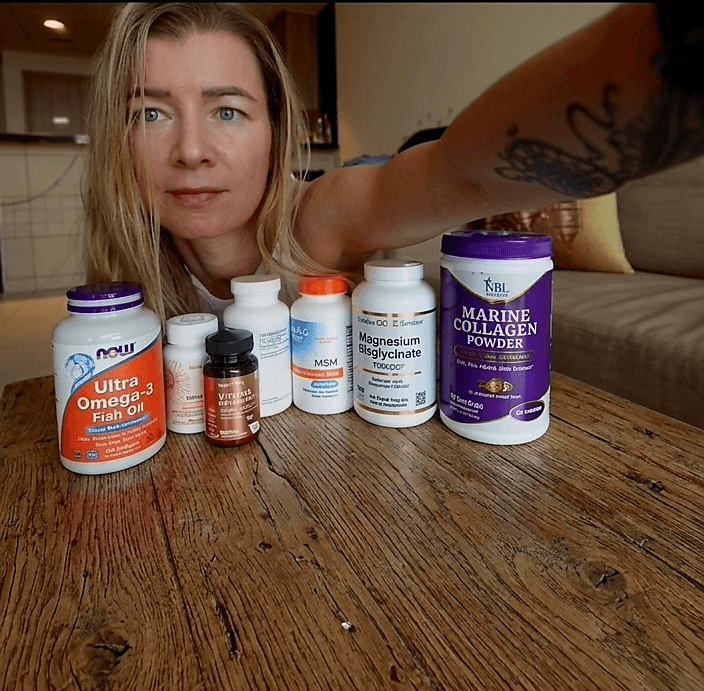
Three supplements from my stack specifically support libido and hormonal balance:
Cistanche — An adaptogenic herb with a long history of use for energy, vitality and libido. It supports testosterone pathways and has been shown to reduce fatigue while improving physical performance and desire.
Stinging Nettle Root Extract — Binds to sex hormone binding globulin (SHBG), which frees up more testosterone in the bloodstream. Less SHBG means more available testosterone — and testosterone matters for female libido just as much as male.
Ashwagandha — One of the most well-researched adaptogens for stress and sexual function. Studies in women have shown significant improvements in arousal, lubrication, satisfaction and desire compared to placebo. It works primarily by reducing cortisol and supporting the adrenal system.
Click here to see which brand I take.
8. Emotional Connection and Relationship Quality
This one doesn't need a study — but there are plenty. Emotional intimacy, feeling safe, feeling seen and feeling connected to your partner are among the strongest predictors of female desire. Libido for women is not purely hormonal — it's relational and contextual in a way that is different from men. Morning hugs, daily moments of connection, feeling appreciated — these things matter biologically, not just emotionally.
9. Sunlight and Vitamin D
Vitamin D deficiency — which is extremely common — is associated with lower testosterone levels and reduced sexual function in women. Getting sunlight on your skin daily, and supplementing Vitamin D3 with K2 if your levels are low, supports the hormonal foundation that desire depends on. I test my Vitamin D levels regularly and supplement accordingly.
Click here to see which D3 K2 supplement I take exactly.
10. Peptides — The Frontier of Female Sexual Health
This is where the science is getting genuinely exciting.
PT-141 (Bremelanotide) is the most widely used peptide for libido in both men and women. It acts on melanocortin receptors in the brain — a completely different mechanism from medications that work on blood flow. It targets sexual desire itself, at the neurological level. PT-141 received FDA approval in 2019 under the brand name Vyleesi specifically for premenopausal women with low sexual desire. More about this peptide here.
Kisspeptin works differently — it influences the hormonal foundation of desire rather than directly triggering arousal. One study found that women with low libido who received Kisspeptin felt more connected to sexual attraction responses compared to placebo. It is known as a master regulator of reproductive hormones, stimulating the release of GnRH which in turn boosts natural testosterone and LH production. It has also been linked to mood enhancement and emotional bonding. More about this peptide here.
Both peptides require medical supervision and should be explored with a qualified healthcare professional. I mention them here because the research is serious and because I believe women deserve to know that these options exist.
The Honest Summary
Libido is not one thing. It is the sum of how well you sleep, how you eat, how you manage stress, how connected you feel to your body and your partner, and whether your hormones have the support they need. No single supplement or habit fixes everything — but when you get several of these right simultaneously, the difference is significant.
Start with sleep. Then food. Then stress. Build from there.
Have questions about any of the supplements or peptides mentioned? Drop them in the comments or send me a DM.